

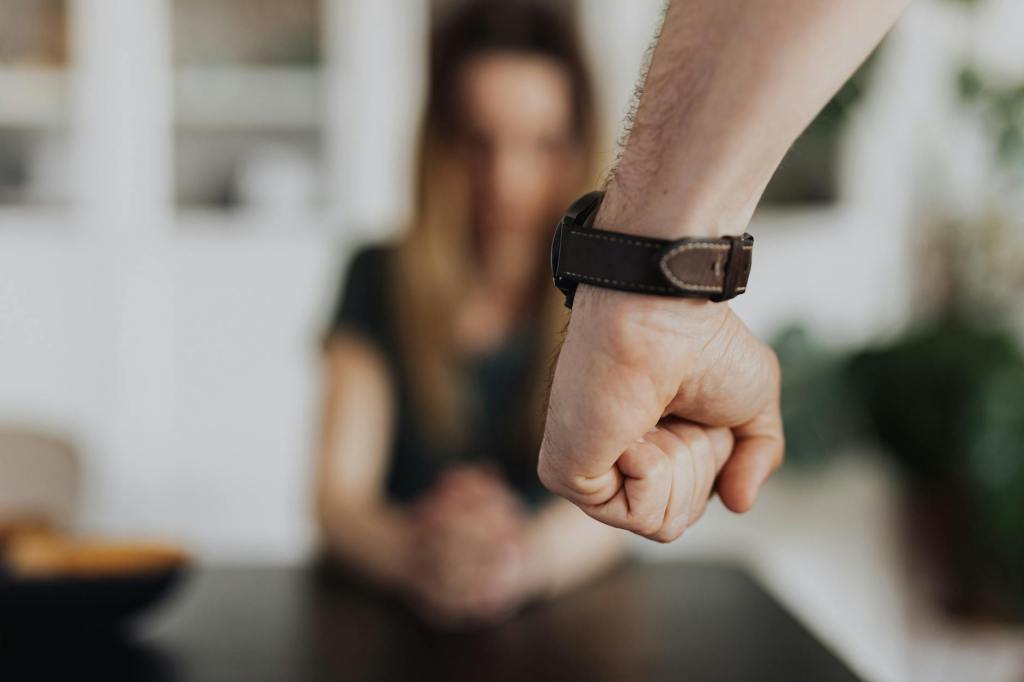
Femicide, the gender-based killing of women, remains a critical issue in the United Kingdom. Recent statistics reveal that in 2024, at least 80 women were allegedly killed by men. This underscores the persistent threat to women’s safety.
According to the latest Femicide Census, 61% of women were murdered by a current or former partner. Additionally, 9% were killed by their own sons. The home is often considered a place of safety. However, it proves to be the most dangerous place for women. 71% of femicides occur in their own homes.
- Femicide remains a persistent and deeply concerning issue. Women across various age groups are affected, with those between 20 and 60 years old making up 73% of all cases:
- 20–29 years old: 17.85% of victims
- 30–39 years old: 20.65%
- 40–49 years old: 20.05%
- 50–59 years old: 14.35%
- 60 years and older: 22%
Notably, 77% of women in their 30s were killed by a current or former partner. This is the highest percentage across all age groups. Teenage victims (aged 14–19) were more likely to be killed by strangers, while elderly women (70+) were often targeted during burglaries and suffered high rates of overkill and sexual violence
The methods used highlight the brutality of these crimes:
knives were used in 49% of cases, strangulation in 27%, and blunt force in 17%. Disturbingly, 16% of perpetrators used only their bodies—kicking, hitting, and stamping—to kill their victims. Additionally, overkill occurred in 59% of cases. Women involved in prostitution faced a higher risk of sexual violence before or after death.
Is Femicide Increasing?
The report does not suggest a decline in femicide rates. Instead, it indicates a steady accumulation of cases over the years, underscoring the government’s failure to implement effective interventions. The urgency expressed in the report highlights an ongoing crisis that is not being adequately addressed.
Systemic Failures Leading to Femicide
Institutional Negligence and Real-Life Cases
Several high-profile cases illustrate how state failures have contributed to preventable femicides:
- Raneem Oudeh: Called 999 four times in one night before being murdered by her ex-husband. Her case exposes the police’s failure to act on imminent danger
- Zara Aleena: Murdered by a man with a known violent history who had been released early from prison. Her death highlights flaws in offender supervision and sentencing
- Sabina Nessa: Killed in a public park, raising concerns about women’s safety in public spaces and the government’s inaction
The Underlying Causes of Femicide
Patriarchy and Male Entitlement
Women are often treated as property within relationships, leading to coercive control and fatal violence when they seek independence. Many perpetrators justify their actions through deeply ingrained gender stereotypes and male entitlement
Legal Leniency
- Many perpetrators receive reduced sentences via defences such as “loss of control” or “diminished responsibility.”
- A man who strangled his wife received only six years in prison after claiming he acted “out of stress.”
- Domestic killers often serve sentences 10 years shorter than other murderers
State Negligence
- Failure to protect victims: Raneem Oudeh’s case demonstrates police inaction despite clear danger.
- Inadequate offender monitoring: Zara Aleena’s murderer was a known violent offender released with minimal supervision.
- Lack of legal reform: Despite multiple reviews on domestic homicide sentencing, lenient punishments persist
The Cultural Factors of Femicide
Normalisation of Domestic Violence
Despite long histories of abuse, many cases are dismissed until it is too late. Clare Wood, murdered by an ex-boyfriend with a history of violence, was never warned about his past. This led to the introduction of Clare’s Law, which allows people to check a partner’s violent history.
Honour-Based Violence
Honour killings have risen sharply in the UK, with an 81% increase in the last five years. Victims, often murdered for seeking independence, face extreme brutality, such as acid attacks and fatal beatings. Banaz Mahmod was murdered by her own family for leaving a forced marriage, illustrating patriarchal control within cultural frameworks.
The Role of the Internet
Social Media and Misogyny
- Victim-blaming narratives thrive in online spaces, shifting responsibility onto women rather than perpetrators.
- High-profile femicide cases often see widespread misinformation and trivialisation of male violence
Online Radicalisation
A leaked Home Office review revealed the growing connection between far-right extremism and misogyny. Extremist groups use anti-feminist rhetoric to recruit young men, leading to increased radicalisation. Examples include:
- Jake Davison (Plymouth shooting, 2021): An incel who murdered five people after being radicalised online.
- Andrew Tate’s Influence: His rhetoric has encouraged thousands of young men to adopt violent misogynistic beliefs, increasing the risk of real-world harm
Failure to Address Online Threats
Women frequently experience escalating online abuse, yet law enforcement fails to take these threats seriously, allowing digital misogyny to spill into real-world violence
Government Response: Is It Enough?
Recent government initiatives include:
- Embedding Domestic Abuse Specialists in 999 Control Rooms to ensure quicker response times.
- New Domestic Abuse Protection Orders to Impose Stricter Sanctions on abusers.
- Cross-Government Safer Streets Mission Board to coordinate violence prevention efforts
However, these measures fail to address core issues such as legal leniency, inadequate offender monitoring, and police inaction. Without systemic reform, these policies risk becoming empty promises
Recent Cases: The Human Cost of Inaction
- The Hunt Family Murders (July 2024): Kyle Clifford murdered his ex-girlfriend, her sister, and their mother. Clifford had a history of misogynistic views and was radicalised online
- Courtney Mitchell (August 2024): Stabbed to death by an abusive ex-boyfriend. He was never properly monitored despite prior reports of violence.
- The Prosper Family Tragedy (September 2024): Juliana Falcon and her daughter were shot by her son, Nicholas Prosper, despite previous warnings to authorities
Conclusion: Will Anything Change?
Femicide is not just about individual men committing violent acts. It reflects a society that tolerates, excuses, and even enables male violence. Legal leniency, state inaction, and cultural misogyny ensure that these crimes persist.
Without radical changes in policy, policing, and public discourse, women will continue to die at the hands of men. The real question is: Does the government truly want to stop femicide? Or will it keep offering inadequate solutions? Meanwhile, the death toll rises.
Note: The statistics and cases mentioned are based on available data up to March 2025.
#FemicideCrisis #ViolenceAgainstWomen #SystemicChange #UKGovernment #PatriarchyKills
 Curious Femme
Leave a comment