
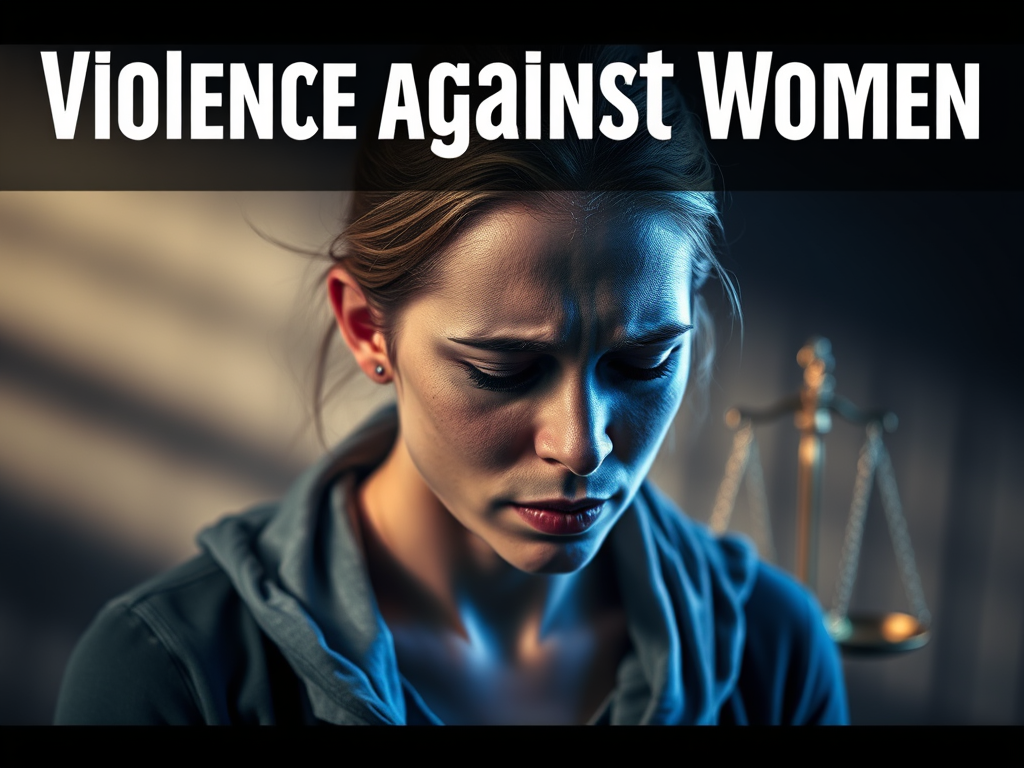
Are Sentences for Violence Against Women Too Lenient?
Sentencing practices in the UK aim to reflect offence severity and societal impact. Still, significant disparities exist between sentences for Violence against women and other crimes like theft, fraud, and tax evasion. This comparison highlights these differences and the broader implications of sentencing policies. Sentencing practices in the UK show stark contrasts. Violence against women is treated differently than other crimes like theft, fraud, or tax evasion. These differences raise critical questions: Are these sentences adequate? Do they reflect the severity of harm caused?
Violence Against Women
Actual Bodily Harm (ABH) Against Women:
-
- Definition: ABH involves physical or psychological harm that is more than trivial but less severe than Grievous Bodily Harm (GBH).
- Maximum Sentence: 5 years’ imprisonment in a Crown Court or 6 months’ imprisonment in a Magistrates’ Court.
- Critique: Many offenders receive short custodial sentences or fines, which fail to acknowledge the recurring trauma inflicted in abusive relationships.
Aggravating Factors in Cases Against Women:
-
-
- Domestic Abuse Context: ABH in intimate or familial relationships often involves an abuse of trust and can result in harsher sentences.
- Presence of Children: Offences committed in front of children increase the severity.
- Patterns of Abuse: Repeat offences or prolonged emotional abuse are treated more seriously.
-
Common Assault (Domestic Context):
-
- Maximum Sentence: 6 months’ imprisonment or a fine.
- Aggravating Factors: Repeated abuse, presence of children, or use of weapons.
Grievous Bodily Harm (GBH) with Intent:
-
- Maximum Sentence: Life imprisonment.
- Example: Prolonged physical assaults causing severe injuries.
Controlling or Coercive Behaviour:
-
- Maximum Sentence: 5 years’ imprisonment.
- Focus: Persistent psychological abuse and manipulation.
- Critique: This offence involves sustained psychological and emotional abuse. Despite its severity, sentences rarely approach the maximum penalty.
Sexual Violence (e.g., Rape):
-
- Maximum Sentence: Life imprisonment.
- Average Sentence: 9 years for severe cases.
- Critique: While life imprisonment is the maximum, most sentences fall short, even in cases involving severe physical and emotional harm.
Stalking and Harassment:
-
- Maximum Sentence: 10 years if causing fear of Violence.
Domestic Homicide:
-
- Murder: Mandatory life sentence.
- Manslaughter (Diminished Responsibility): Life imprisonment with varying minimum terms.
Breaching Domestic Abuse Protection Orders (DAPOs):
-
- Maximum Sentence: 5 years’ imprisonment.
Theft and Fraud Offences
Theft and Burglary:
- Domestic burglary carries a maximum of 14 years, with aggravated burglary punishable by life imprisonment.
Example: Sentences for burglary involving high-value goods often rival or exceed those for non-fatal violence against women.
- Fraud:
- Maximum Sentence: 10 years under the Fraud Act 2006.
- Focus: Economic damage and breach of trust.
Example: Large-scale financial fraud, which impacts institutions rather than individuals, can attract harsher penalties than stalking or coercive control
Tax Evasion
- Cheating the Public Revenue:
- Maximum Sentence: Life imprisonment (rarely applied).
- Typical Sentences: Up to 7 years for most cases.
Critique: While the financial harm is significant, the penalties often overshadow those for crimes that cause deep, personal trauma.
Key Issues in Sentencing
Harm Perception:
Crimes like fraud or tax evasion are measured in financial loss, which is easily quantifiable. Violence against women, by contrast, involves profound psychological and emotional harm that is harder to calculate but equally damaging.
Inconsistent Priorities:
Non-fatal gendered violence, such as ABH or coercive control, often receives lighter sentences than financial or property crimes, raising concerns about societal values and priorities.
Underreporting and Leniency:
Many instances of violence against women go unreported, and when they do reach court, sentences often appear lenient. This can undermine victims’ confidence in the justice system.
Structural Biases:
Critics argue that the justice system’s historical focus on property and economic crimes has undervalued the lived experiences of women facing violence.
Recent Reforms
- The UK government has introduced measures like Domestic Abuse Protection Orders (DAPOs), which impose up to five years’ imprisonment for breaches, and ongoing Domestic Homicide Sentencing Reviews to address disparities. However, deeper reforms are needed to align sentences with the true impact of these crimes.
The Bigger Question
Comparatively, sentences for violence against women do appear lenient. While crimes like fraud and tax evasion receive consistent, harsh penalties, violence that causes profound personal harm often sees lighter sentences. Is this a reflection of systemic bias? Or do tangible damages like financial loss overshadow the emotional and psychological toll of gendered violence?
What’s Next?
Should the justice system adopt stricter penalties for violence against women? Could stronger victim support and public awareness campaigns help reshape sentencing priorities?
What are your thoughts? Are current sentences for violence against women too lenient, or do they reflect societal attitudes toward justice? Share your perspective below.
Categories/Tags:
Justice System, Violence Against Women, Sentencing Disparities, Social Justice, UK Law
Hashtags:
#JusticeForWomen #VAWG #SentencingReform #DomesticViolence #EqualityInLaw
 Curious Femme
Leave a comment